
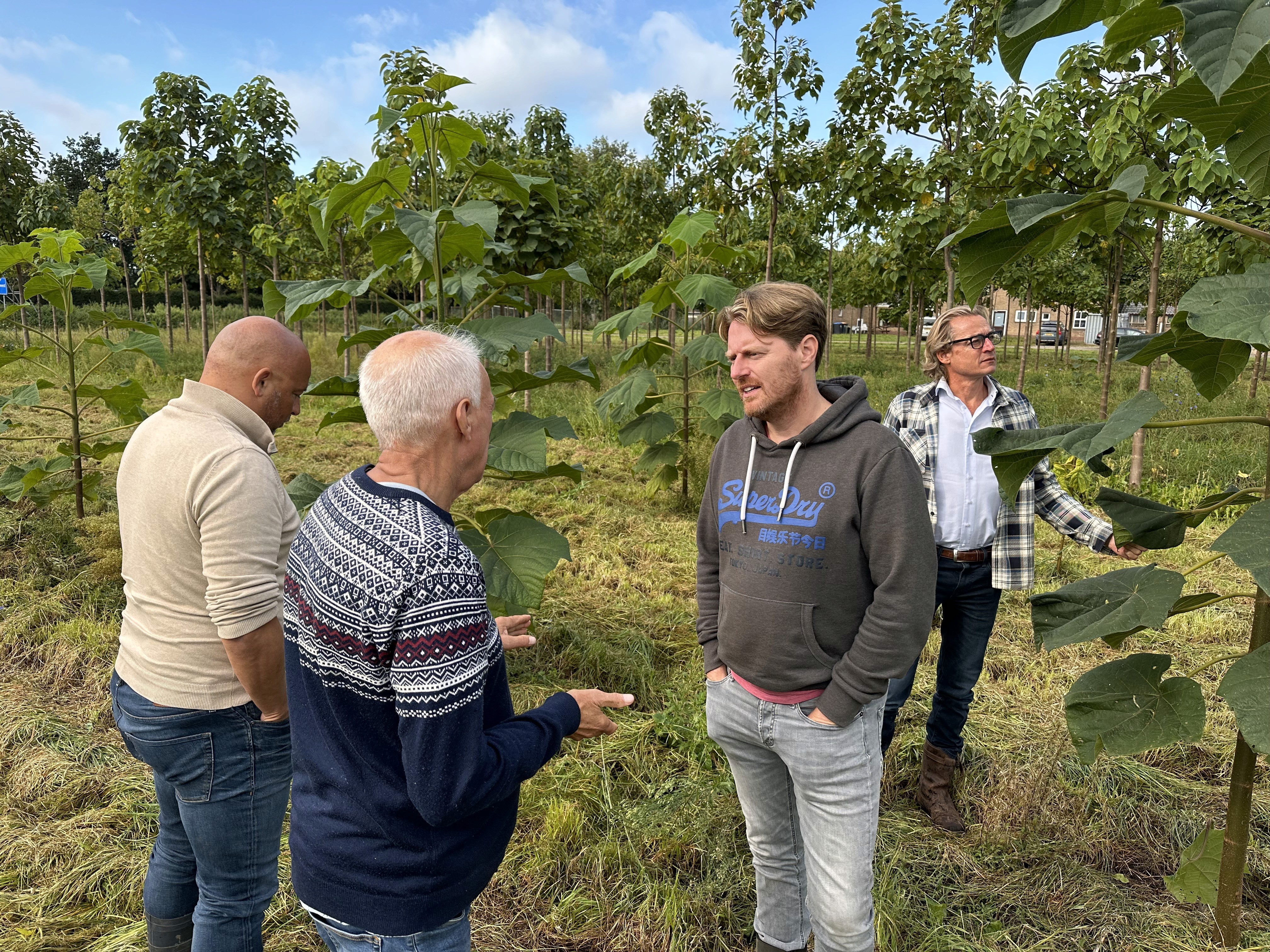
A powerful miracle tree for climate, biodiversity and future timber
A powerful miracle tree for climate, biodiversity and future timber
Paulownia as a foundation for future proof building
Paulownia as a foundation for future proof building
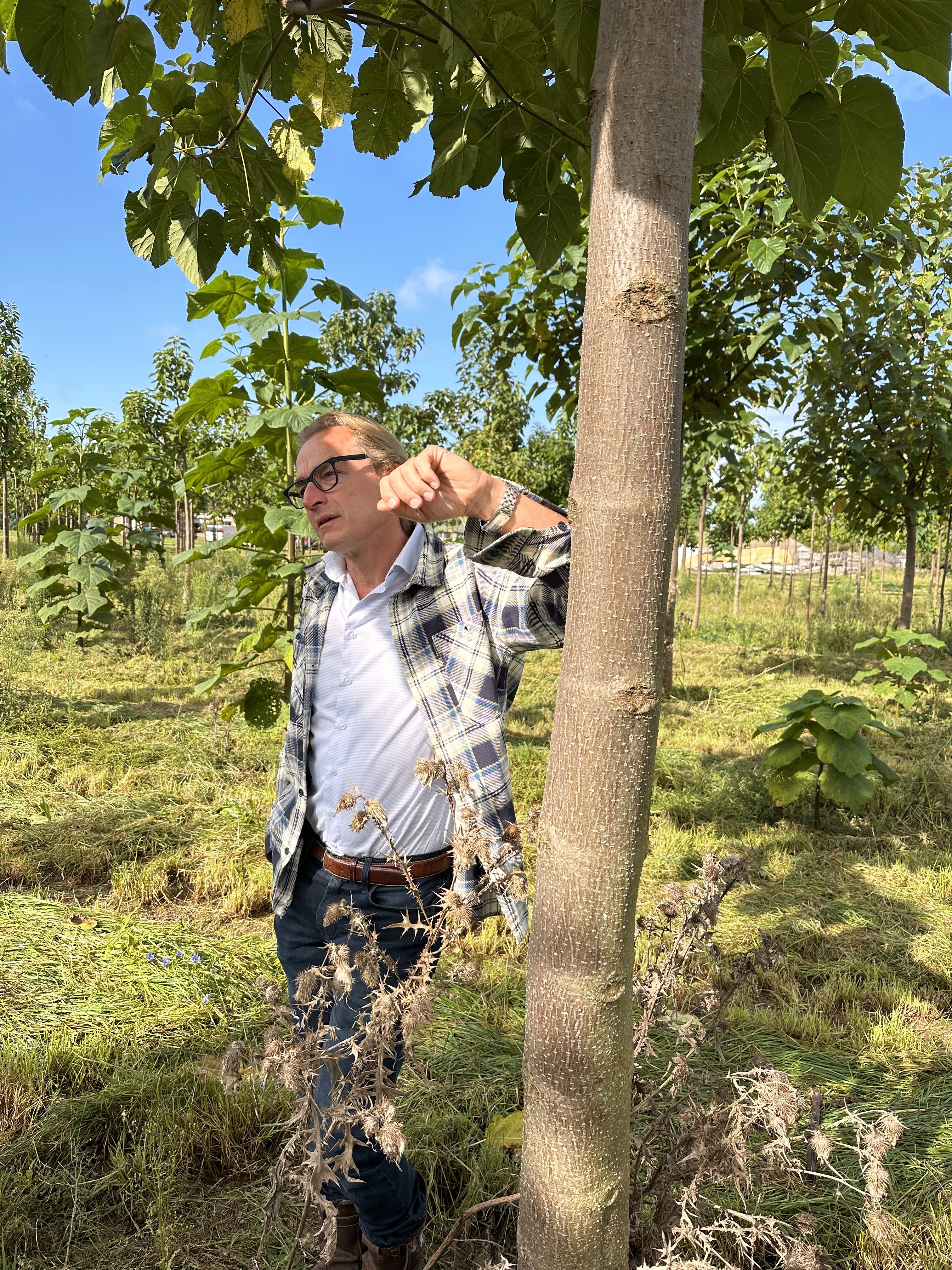
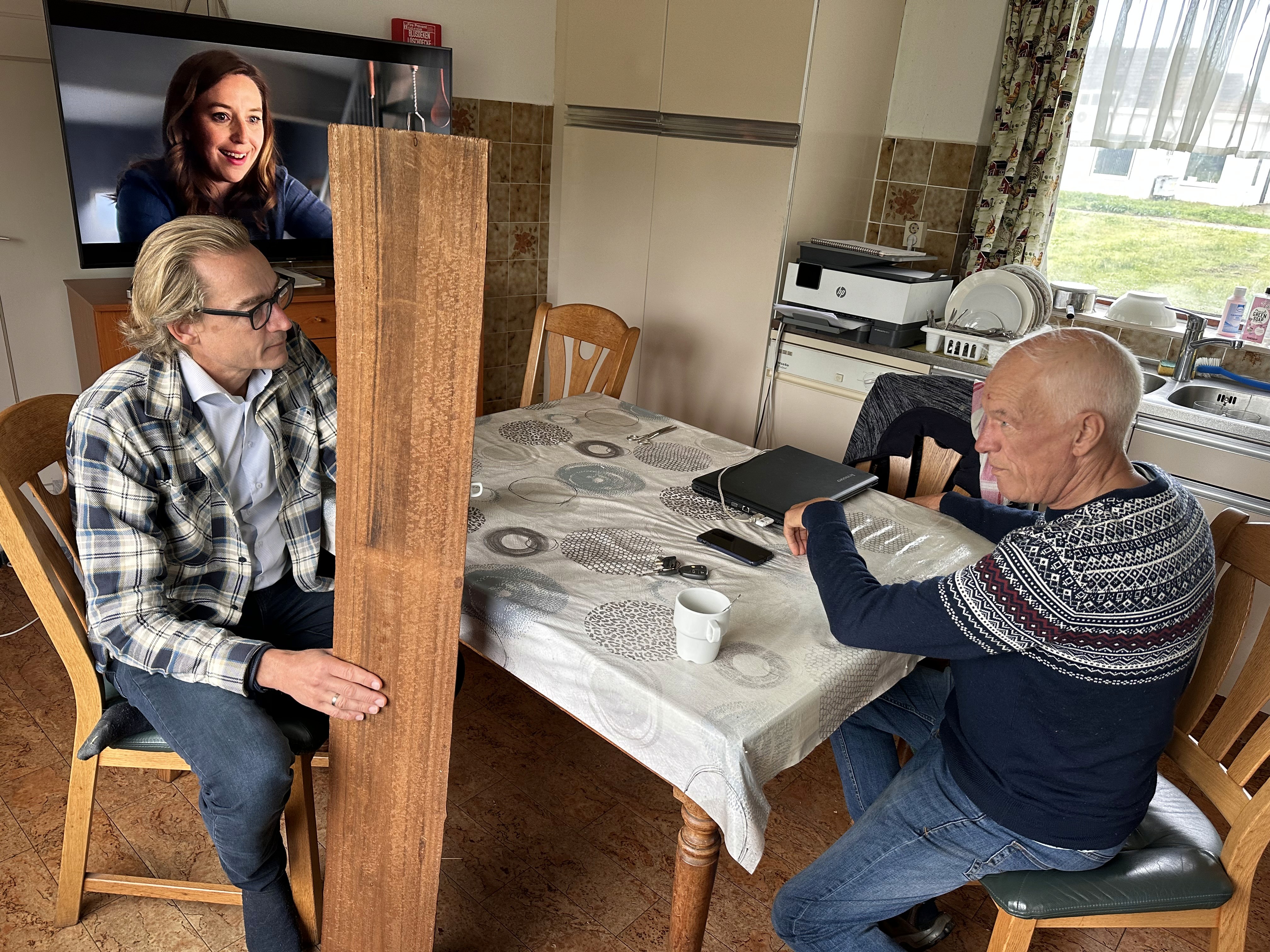
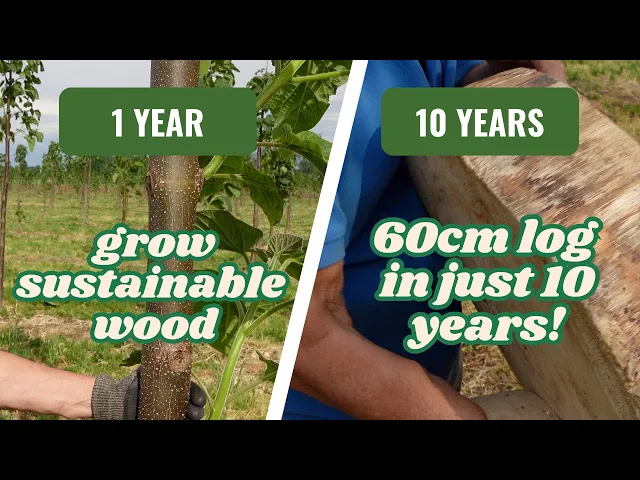
My video about Paulownia, viewed more than 130,000 times, introduced this exceptional tree to a wide audience. The film was created together with Eric Litjens, a pioneer of Paulownia cultivation in the Netherlands. Today, we work closely together to offer high-quality Paulownia (Shan Tong) plants, well suited to the Dutch and European climate.
My video about Paulownia, viewed more than 130,000 times, introduced this exceptional tree to a wide audience. The film was created together with Eric Litjens, a pioneer of Paulownia cultivation in the Netherlands. Today, we work closely together to offer high-quality Paulownia (Shan Tong) plants, well suited to the Dutch and European climate.
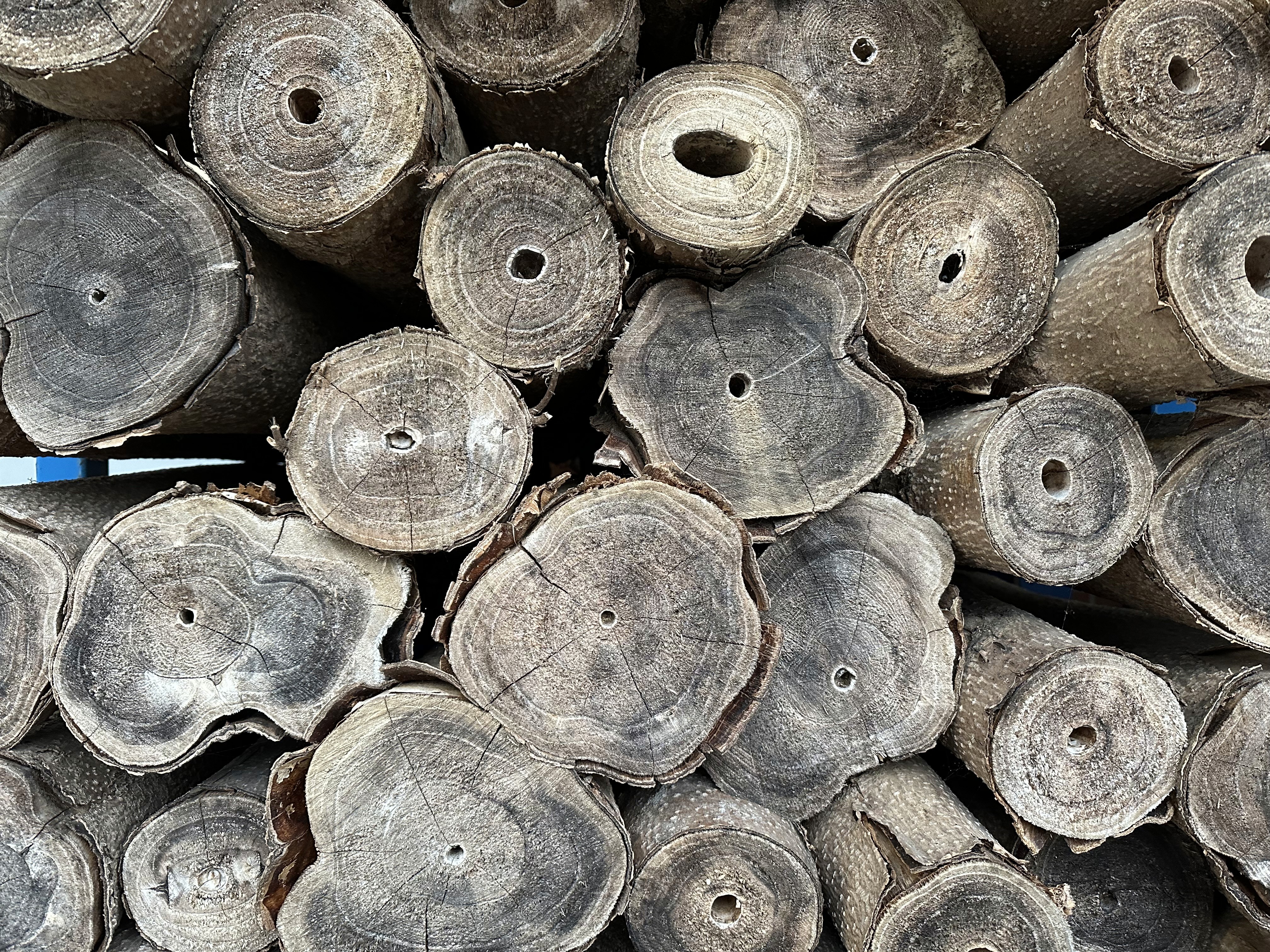
A powerful tree for climate biodiversity and future timber
A powerful tree for climate biodiversity and future timber
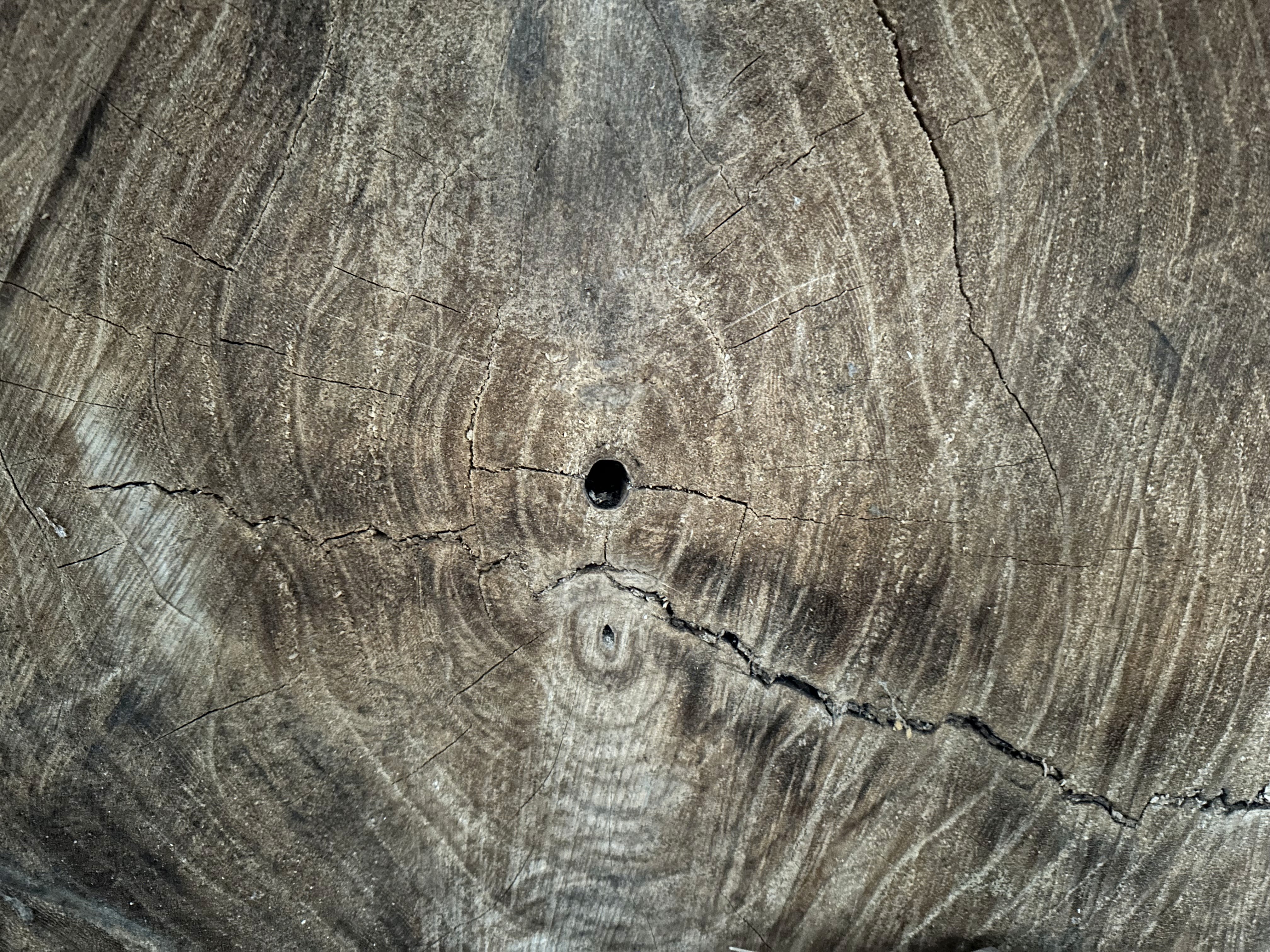
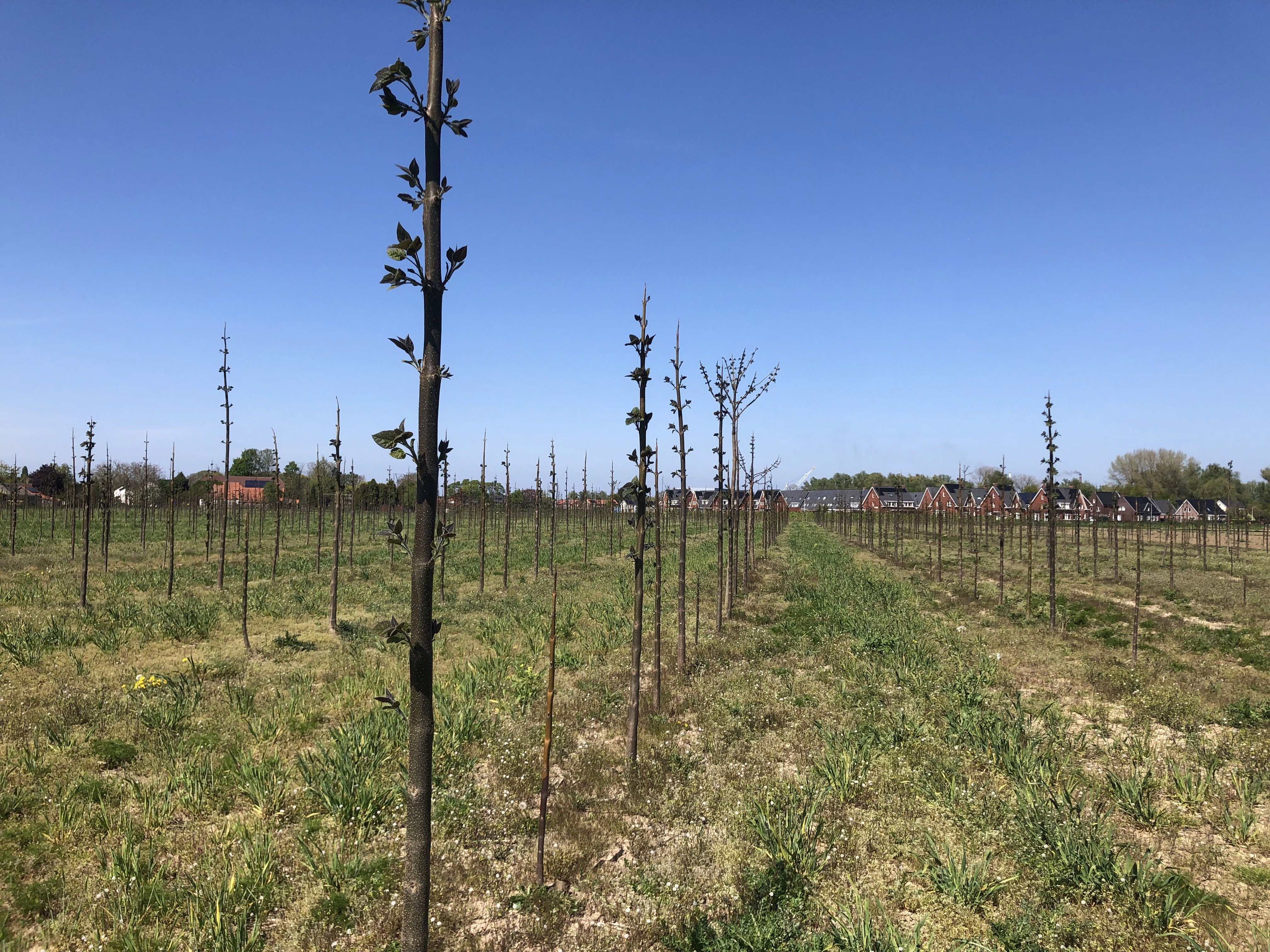
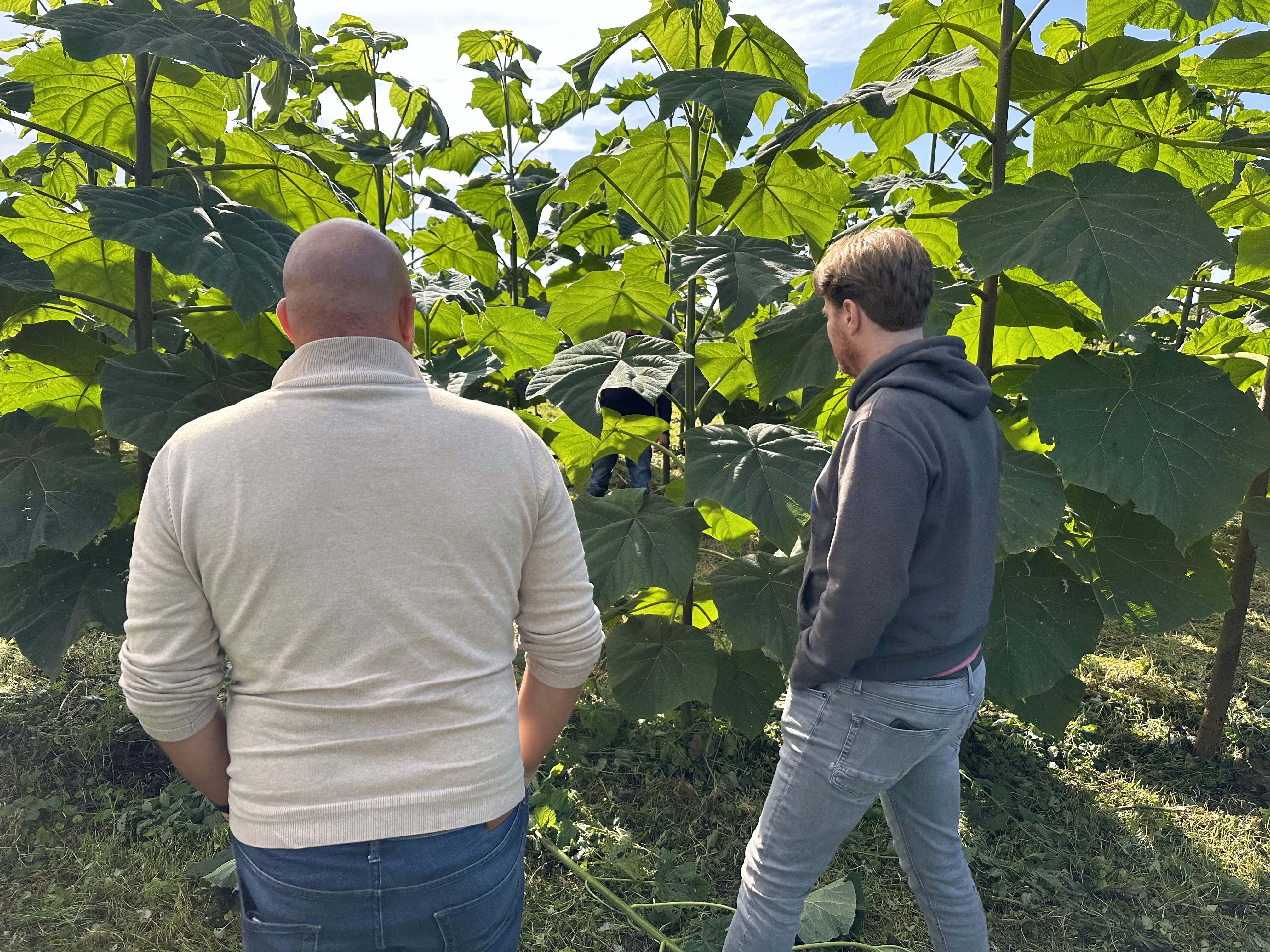
Paulownia is one of the fastest-growing deciduous trees in the world. In a short period of time, it produces large amounts of biomass while capturing and storing significant quantities of
CO₂ in wood and roots. Its large leaves improve the
microclimate and soil structure, while leaf fall contributes t
o natural humus formation.
Paulownia is one of the fastest-growing deciduous trees in the world. In a short period of time, it produces large amounts of biomass while capturing and storing significant quantities of
CO₂ in wood and roots. Its large leaves improve the
microclimate and soil structure, while leaf fall contributes t
o natural humus formation.
Key advantages
Key advantages
Very fast growth and short harvesting cycles.
High CO₂ sequestration in biomass and timber, approximately
700–800 kg CO₂ per tree per year and around 55 tonnes per hectare per yearRegenerative growth, as the tree resprouts after harvest
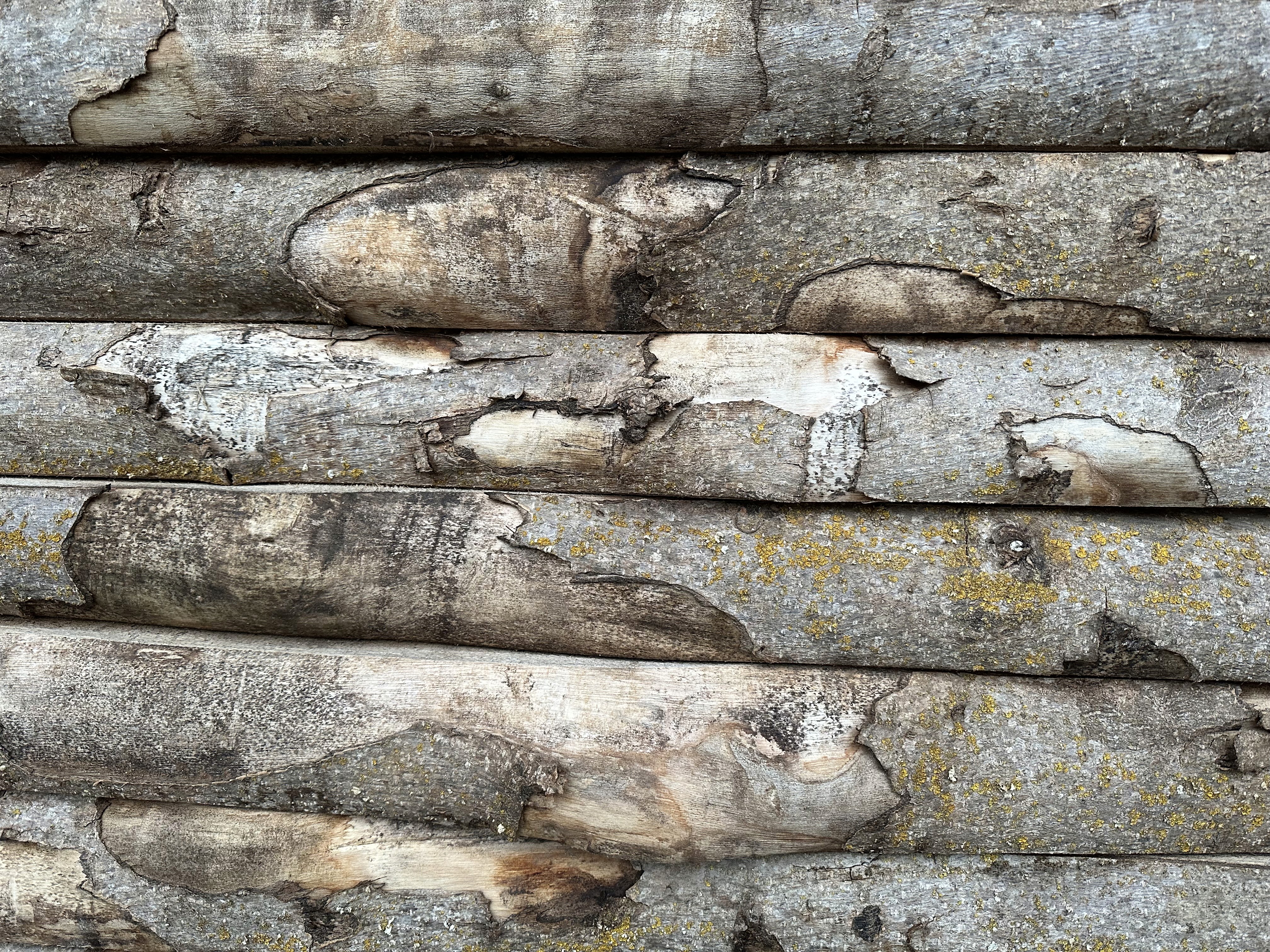
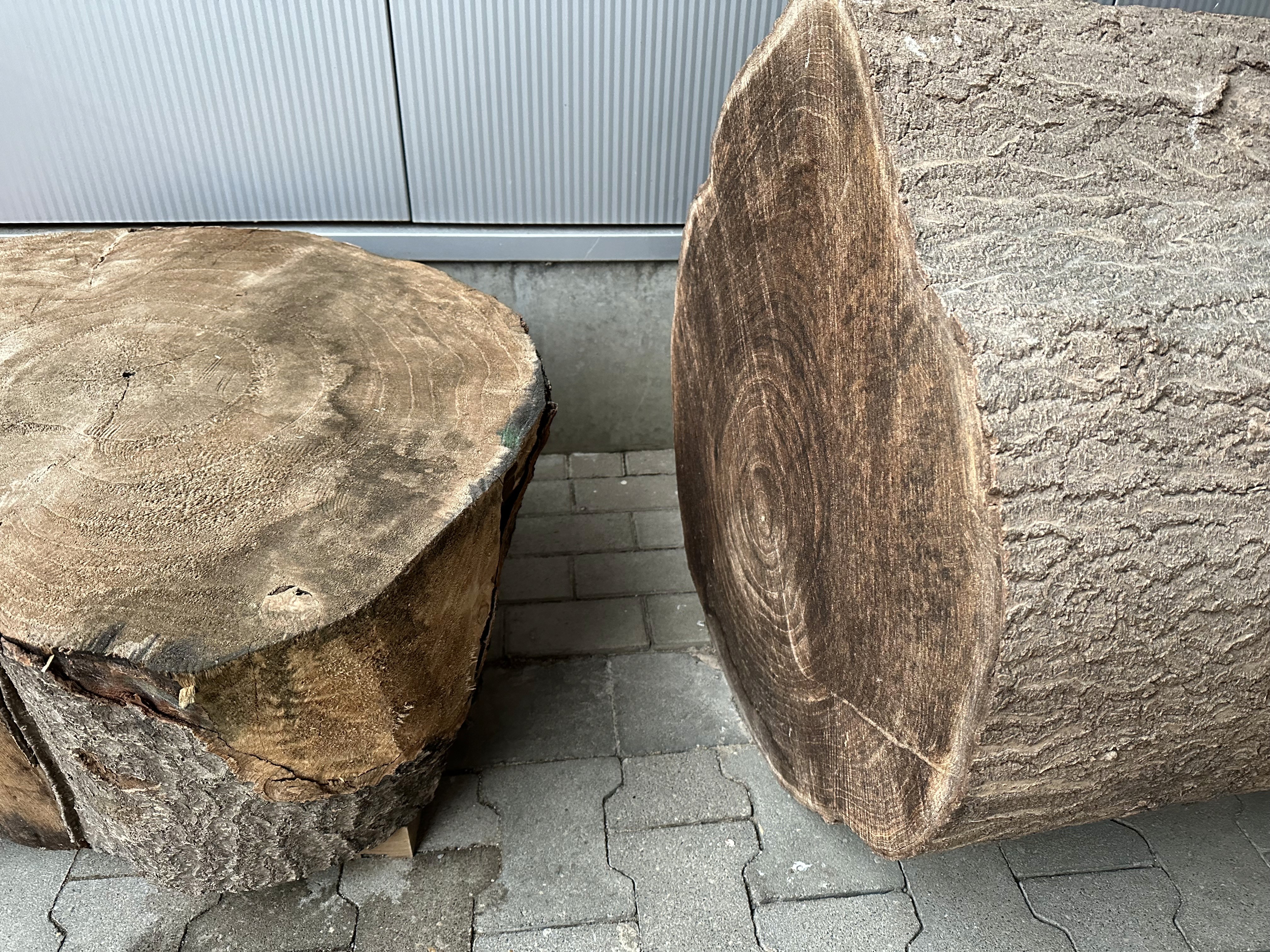
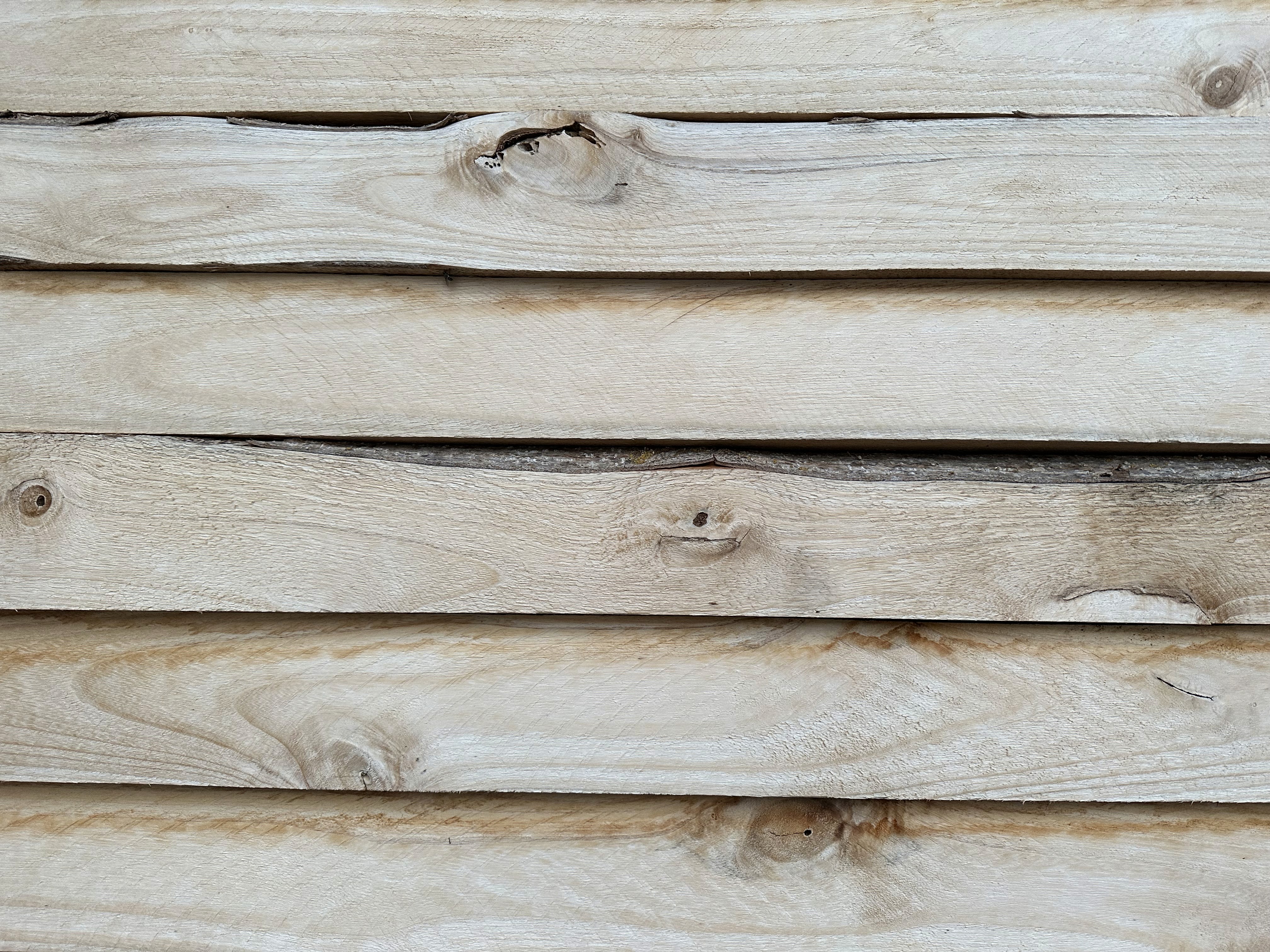
Lightweight, strong and dimensionally stable timber, making it a viable alternative to tropical hardwood
Enhances biodiversity by supporting insects and healthy soil life
No pesticides required
Highly suitable for agroforestry systems, estates and mixed land use
Very fast growth and short harvesting cycles.
High CO₂ sequestration in biomass and timber, approximately
700–800 kg CO₂ per tree per year and around 55 tonnes per hectare per yearRegenerative growth, as the tree resprouts after harvest
Lightweight, strong and dimensionally stable timber, making it a viable alternative to tropical hardwood
Enhances biodiversity by supporting insects and healthy soil life
No pesticides required
Highly suitable for agroforestry systems, estates and mixed land use
More about Paulownia
More about Paulownia
More about Paulownia
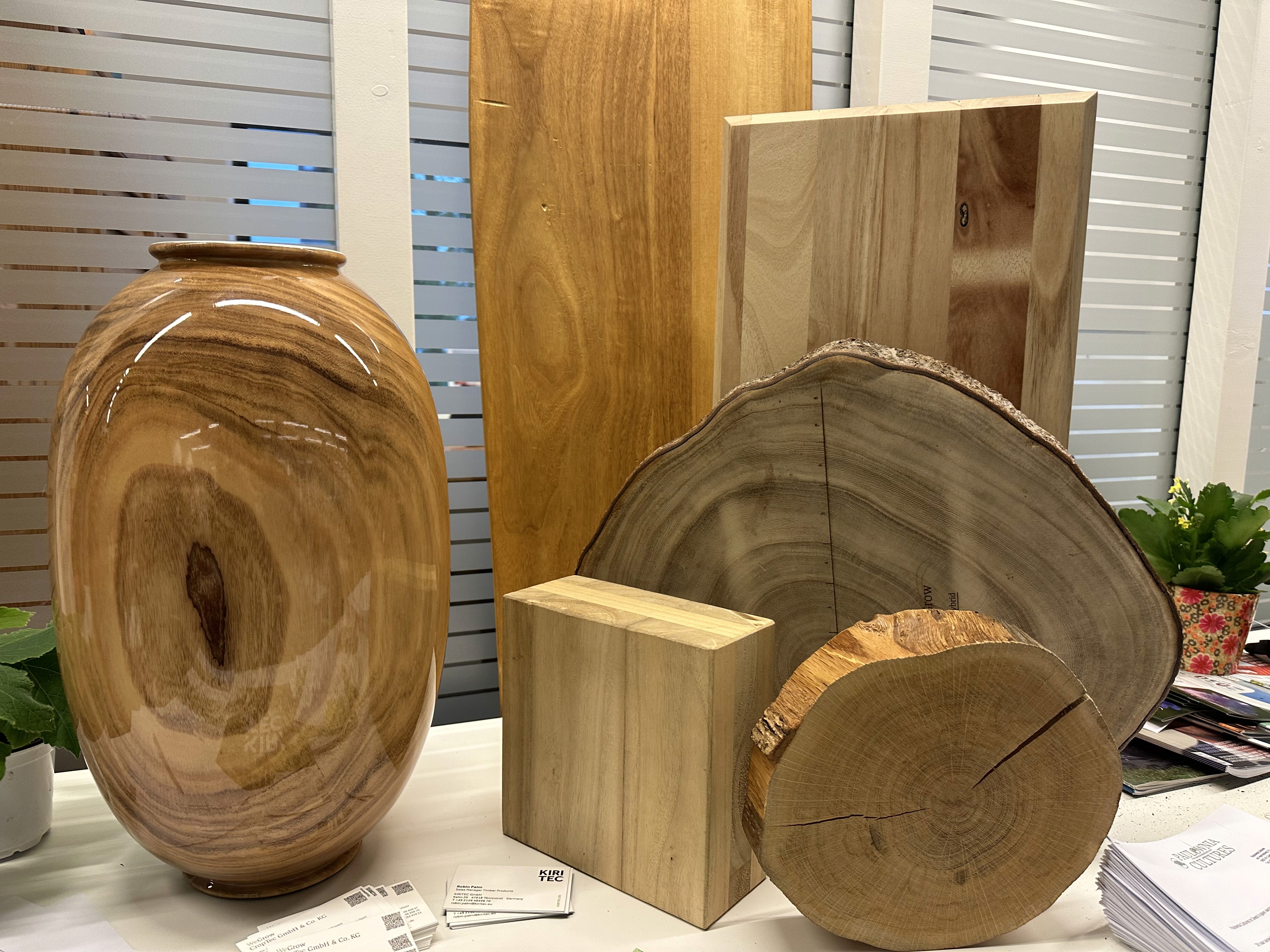
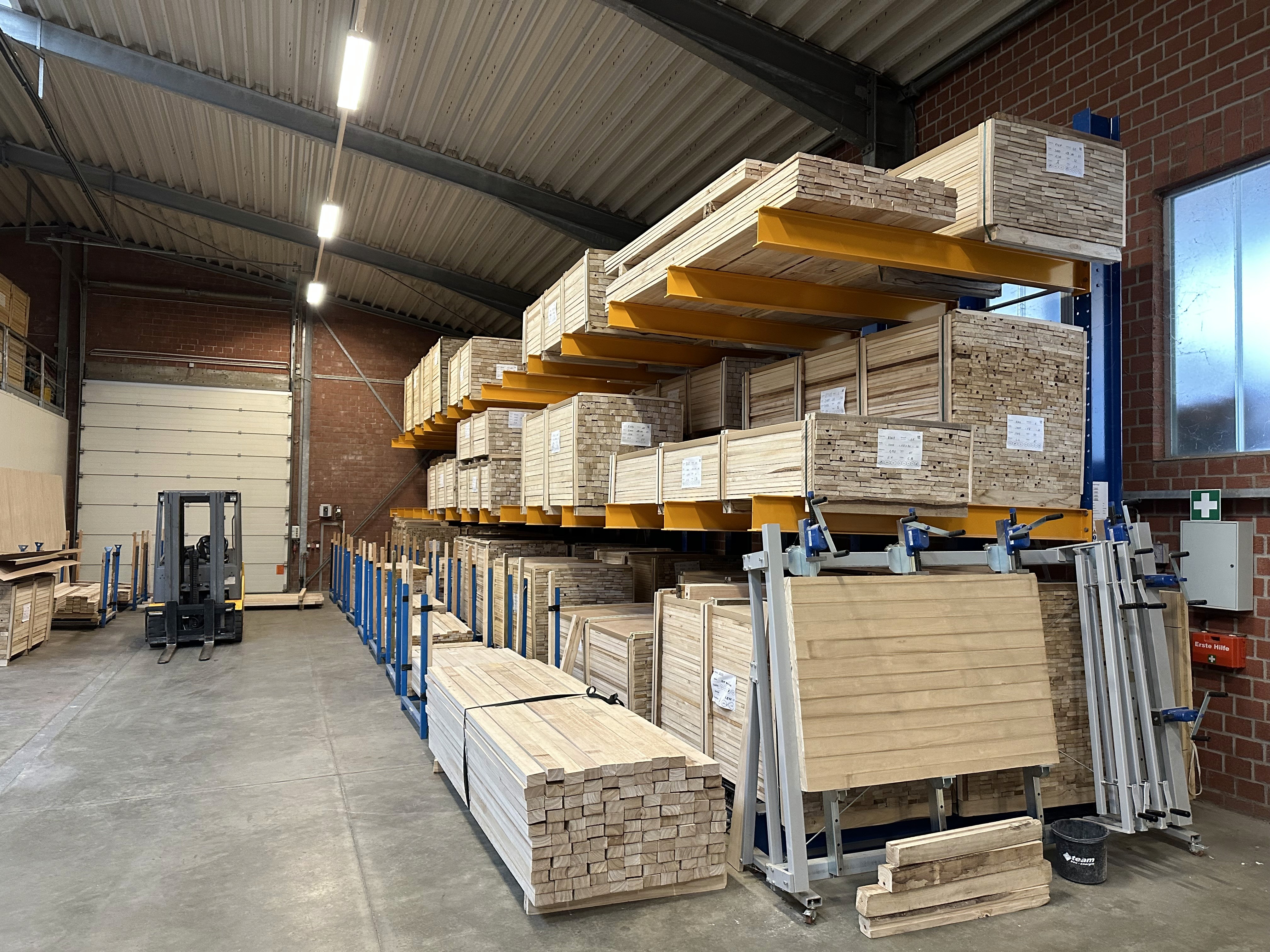
Paulownia (Shan Tong) stands out for its high timber production per hectare. Depending on planting density and site conditions, each tree produces approximately 0.35 to 0.6 m³ of timber within a 7-year cycle. With standard agroforestry spacing of around 625 trees per hectare, this results in an average annual yield of roughly 30–50 m³ of timber per hectare, calculated over the harvest cycle. After harvesting, the tree regenerates from the stump, allowing for multiple production cycles from the same root system. When plants are purchased through us, we also provide registration of CO₂ sequestration and biodiversity monitoring via ONCRA certification. This ensures that the climate and ecological impact of your planting is measurable, transparent and credible, without unsubstantiated claims. We do not only supply the plants, we also offer professional planting guidance, including on-site support, to ensure a strong start and optimal growth.
Paulownia (Shan Tong) stands out for its high timber production per hectare. Depending on planting density and site conditions, each tree produces approximately 0.35 to 0.6 m³ of timber within a 7-year cycle. With standard agroforestry spacing of around 625 trees per hectare, this results in an average annual yield of roughly 30–50 m³ of timber per hectare, calculated over the harvest cycle. After harvesting, the tree regenerates from the stump, allowing for multiple production cycles from the same root system. When plants are purchased through us, we also provide registration of CO₂ sequestration and biodiversity monitoring via ONCRA certification. This ensures that the climate and ecological impact of your planting is measurable, transparent and credible, without unsubstantiated claims. We do not only supply the plants, we also offer professional planting guidance, including on-site support, to ensure a strong start and optimal growth.
Paulownia (Shan Tong) onderscheidt zich door een zeer hoge houtproductie per hectare. Afhankelijk van plantafstand en groeiomstandigheden produceert de boom circa 0,35 tot 0,6 m³ hout per boom binnen 7 jaar. Bij een gangbare aanplant (± 625 bomen per hectare) komt dit neer op ongeveer 30 tot 50 m³ hout per hectare per jaar, gemiddeld over de volledige groeicyclus.
Na kap loopt de boom opnieuw uit, waardoor meerdere oogstcycli uit dezelfde wortelstructuur mogelijk zijn. Daarmee biedt Paulownia niet alleen ecologische waarde, maar ook een reëel economisch perspectief binnen duurzame houtteelt.
Wanneer u de planten via ons afneemt, helpen wij bovendien met de registratie van CO₂-vastlegging en biodiversiteitsmonitoring via ONCRA-certificering. Zo wordt de ecologische en klimatologische impact van uw aanplant aantoonbaar en inzichtelijk, zonder greenwashing of ongedekte claims.
Optioneel bieden wij ook professionele begeleiding bij het planten, inclusief ondersteuning op locatie, zodat uw aanplant een gezonde start krijgt en maximale groeikracht kan bereiken
Paulownia (Shan Tong) onderscheidt zich door een zeer hoge houtproductie per hectare. Afhankelijk van plantafstand en groeiomstandigheden produceert de boom circa 0,35 tot 0,6 m³ hout per boom binnen 7 jaar. Bij een gangbare aanplant (± 625 bomen per hectare) komt dit neer op ongeveer 30 tot 50 m³ hout per hectare per jaar, gemiddeld over de volledige groeicyclus.
Na kap loopt de boom opnieuw uit, waardoor meerdere oogstcycli uit dezelfde wortelstructuur mogelijk zijn. Daarmee biedt Paulownia niet alleen ecologische waarde, maar ook een reëel economisch perspectief binnen duurzame houtteelt.
Wanneer u de planten via ons afneemt, helpen wij bovendien met de registratie van CO₂-vastlegging en biodiversiteitsmonitoring via ONCRA-certificering. Zo wordt de ecologische en klimatologische impact van uw aanplant aantoonbaar en inzichtelijk, zonder greenwashing of ongedekte claims.
Optioneel bieden wij ook professionele begeleiding bij het planten, inclusief ondersteuning op locatie, zodat uw aanplant een gezonde start krijgt en maximale groeikracht kan bereiken
Interested in planting, scale, ecological impact
or future yield?
Interested in planting, scale, ecological impact or future yield?
Get in touch
Get in touch
We are happy to advise and provide a tailored proposal based on your land and objectives.
We are happy to advise and provide a tailored proposal based on your land and objectives.


Contactgegevens
Werkwijze
In samenwerking met Beeldbank van leefomgeving


Contactgegevens
Werkwijze
In samenwerking met Beeldbank van leefomgeving
Contactgegevens
Werkwijze
In samenwerking met
Beeldbank van leefomgeving
Contactgegevens
Werkwijze
In samenwerking met Beeldbank van leefomgeving